CBQ METHOD · FOOD FREEDOM & HEALTHY WEIGHT LOSS
A Cognitive & Behavioral Science-Based Approach to Healthy Weight Loss

The CBQ Method™ is a 4-stage process based on cognitive behavioral science for lasting behavior change.
It’s designed to address your relationship with food and your automatic eating habits, so losing weight happens as a natural result of food freedom, not food restriction.
Why Losing Weight Often Feels So Hard
Most people struggle to lose weight, going from diet to diet, but always find themselves back on the weight loss-weight gain rollercoaster. This is often because something remains unaddressed: the psychology, emotions, and habits that contribute to weight gain in the first place.
Specifically, there are 3 reasons why weight loss feels hard and is short-lived:
Most Weight Management Efforts Rely on Willpower

Diets offer nutritional guidelines or meal plans that force us to consistently resist the foods we crave with willpower.
Willpower can help you resist cravings temporarily, but it puts you in a state of deprivation.
The desire for the food you resisted does not disappear; it just gets suppressed. The more you resist something, the more desirable it becomes, requiring even more willpower to resist it next time.
This cycle continues until stress hits, emotions rise, or life gets difficult, and willpower gets depleted.
When that happens, cravings feel overpowering, and the food noise becomes consuming, so you slide back to your old ways of eating. This is not due to a lack of discipline, but because willpower is finite and cannot create a lasting change in behavior.
Most Approaches Focus on Short-Term Weight Loss, Not Lifestyle Changes
Diets, calorie restriction, and GLP-1 medications act as a temporary pause button on your eating habits, because they focus entirely on removing extra weight without changing the underlying psychology of why you gain weight.
Research shows that many people regain weight after stopping GLP-1 medication (BMJ 2026;392:e085304). And 83% of dieters lose weight and then gain an additional 5-11 pounds (2-5 kilos) within 2-5 years after a diet (PMID: 17469900).
This happens because diets and medication do not address all your eating patterns: your nutrition (what to eat), your habits (when and how much you eat), and your psychology (why you eat). So your lifestyle doesn’t change.
So when the diet stops and you can’t maintain ideal conditions in your environment, your old habits take over, and you gain the weight back.

Your Automatic Patterns Remain Unchanged

Throughout life, we develop automatic food habits like snacking, overeating, grazing, emotional eating, late-night boredom eating, or starve-binge cycles.
While none of these behaviors are harmful in isolation, when they become our normal way of eating, they can cause weight gain.
These food habits are reinforced by triggers and run on autopilot.
Stress → Emotional eating
Boredom → Snacking
Dining out → Overeating
Watching TV → Binging
Passing by drive-thru → Eating without being hungry
Weight loss feels hard when we don’t break our automatic habits.
We hope that by eating differently for a while, our habits and triggers will fade away with time. But deeply rooted patterns remain active.
Familiar triggers and situations can still spark strong urges, causing deprivation, feelings of emptiness, and a return to old habits.
What Needs to Change for Weight Loss to Feel Easy
For weight loss to feel easy and be sustainable, it’s not enough to have a meal plan. We need to address the root of our eating habits, because knowing what to eat doesn’t necessarily change how we eat.
You might feel that a meal isn’t complete without something sweet. You may sit down to watch TV and find yourself snacking despite not being hungry. Or after a difficult day, food may feel like your only comfort.
You may intend to eat differently, yet still feel pulled by the same emotional connections to food and your familiar habits.

Together, these learned patterns make up your food programming.
Your food programming is your psychological and emotional relationship with food and your automatic habits. It shapes why you eat, when you eat, what you eat, and how much you eat.
Healthy weight loss depends 90% on food programming and 10% on nutrition
A diet or meal plan can tell you what to eat. But if your food programming remains unchanged, you may still experience cravings, feel deprived, and fall back into old patterns.
You may recognize some of these patterns:
Musts
“I must have something sweet after a meal.” or “I must eat everything on my plate.”
All or nothing thinking
“I opened the bag of chips, so I might as well finish it.” or “I either eat perfectly or horribly, no in between.“
Moral licensing
“I ate well all day, so I deserve to reward myself with pizza at night.” or “This is healthy, so I can binge on it.”
Triggers
“If food is around I feel powerless. I have to have it.” or “I feel stressed, so I need comfort food to feel better.”
If these patterns sound familiar, it doesn’t mean you lack discipline. It means your food programming is sabotaging weight loss, even when you consciously want to eat differently.
When the food programming changes, healthy choices become desirable and unhealthy patterns are replaced by balanced habits, so weight loss can feel easy.
The Two Types of Food Programming
Our food programming isn’t something we’re born with. It’s learned over time, shaped by family habits, culture, past experiences, and the ways we learned to cope with life.
There are two types of food programming: hijacked and healthy. When we change our food programming from a hijacked to a healthy one, we’re drawn to different foods, so healthy weight loss feels easy and natural.
Hijacked Food Programming
An unhealthy relationship with food that leads to weight gain or the weight loss-weight gain rollercoaster.
Mindset
Control
Self-Compassion
Body-Signals
Eating Habits
Healthy Food Programming
A healthy relationship with food that serves your health and inner peace, leading to healthy weight loss.
Mindset
Control
Self-Compassion
Body-Signals
Eating Habits
Healthy food programming does not mean eating perfectly. It means food no longer feels like something you must constantly fight, restrict or use to cope. And creating that kind of change requires a different approach to weight loss.
A Different Way to Think About Weight Loss
Many weight-loss approaches focus on rules: what you are and aren’t allowed to eat, and how long you can resist. When change depends on restriction and willpower, eating can begin to feel like a kind of Food Prison.
You may lose weight temporarily, but the food programming behind how, when, and why you eat remains unchanged.
The CBQ Method takes a different approach.
Instead of forcing temporary change through deprivation, it addresses the root of eating habits. It changes your food programming from a hijacked to a healthy one so you can have Food Freedom.
Food Freedom
Food freedom is when your eating is guided by deliberate choice and your body, not by emotions, triggers, or diets.
Food Freedom does not mean eating perfectly or without awareness. It means being able to eat without guilt, shame, constant calorie counting, or feeling controlled by food.
As your food programming changes, you’re also naturally drawn to different foods: healthy food choices are more desirable than unhealthy choices.
This leads to new habits and sustainable weight loss.
How the CBQ Method Addresses Your Food Programming & Nutrition
Healthy weight loss depends 10% on nutrition and 90% on food programming. The CBQ Method is designed to address all aspects of weight loss.
WHY, WHEN, HOW MUCH YOU EAT
Food Programming
Food programming accounts for 90% of sustainable weight loss. To change our food programming from a hijacked to a healthy one, we need to change our relationship with food and our automatic habits.
Relationship With Food
Your relationship with food is the psychological and emotional side of your food programming. It’s the associations that shape what food means to you.
For example, if during a difficult time, you started using food to distract yourself from unsettling thoughts and emotions, eating may have become how you self-soothe.
The CBQ Method targets this deep relationship by rewiring the thoughts, beliefs and emotional patterns behind food so that:
- Food is no longer linked to stress, boredom, focus, loneliness, so the mind stops treating a food as the answer to emotional discomfort or as a reward.
- The “food noise” is turned down naturally, allowing you to feel in control around food and follow your hunger and fullness cues.
- No food feels off limits, but you’re naturally drawn to healthy and nourishing foods.
These shifts start changing your habits from the inside out, which leads to weight loss whether you wish to lose a little weight or a lot.
When Food Has Come to Mean More than Food
Food is connected to reward, distraction, compulsion, and relief. The connections separate once to illustrate breaking these associations. This is a conceptual illustration, not a treatment timeline.
Automatic Habits
Your automatic habits are the behavioral side of your food programming.
They are learned patterns like overeating, eating unhealthy food, grazing, or starve-binge cycles that are triggered with little conscious thought.
Trying to change your way of eating overnight can leave you feeling deprived, making new habits difficult to sustain.
Instead, the CBQ Method addresses each pattern in small, gradual steps. This helps break the link between the trigger and the old response, so the habit no longer runs on autopilot.
That way, when you feel stressed, down, bored, or tired, food is no longer the automatic response. Or triggers like social dinners or food being around no longer lead to overeating.
By breaking those old patterns you can make choices from a position of freedom, not compulsion or what’s familiar. Then old patterns are replaced with healthy and balanced habits that lead to sustainable weight loss.
Same situation. A different response.
Watching TV to unwind is the shared trigger. The old automatic response is reaching for snacks without being hungry. The new response is enjoying TV without reaching for food; the experience feels complete all by itself. The animation illustrates a change in the pattern, not a treatment timeline.
Watching TV to unwind
Reaching for snacks without being hungry.
Enjoy watching TV without reaching for food. The experience feels complete all by itself.
WHAT YOU EAT
Nutrition
Nutrition accounts for 10% of weight loss efforts because knowing what to eat is not enough to act on that knowledge. However, nutrition is still important.
The CBQ Method addresses how to nurture your body with the necessary nutrients without caloric excess, so you can naturally reset your hunger and fullness cues.
This happens through evidence-based education on nutrition, so you’ll know how to eat well without feeling hungry.
By addressing your food programming and nutrition, you’re equipped to make a forever change so you’ll lose weight and never have to diet again. And this change happens in 4 stages.
The 4 Stages of Change
The CBQ Method addresses your food programming and nutrition in 4 sequential stages. That way, you’re gradually shifting your eating habits, and weight loss feels easy.

Stage 1
Readiness Activation
This stage initiates the desire and psychological openness for change.
You get fully ready and committed to start the journey, moving from resistance to excitement. You learn how nutrition works and what foods work best for your body.

Stage 2
Mental Reprogramming
During this stage, you take small and simple steps to change your relationship with food.
You untangle emotional needs and thought patterns so you can stop seeing food as a coping mechanism. Because you’re no longer fighting your own mind, healthy weight loss starts happening as a byproduct of food freedom, without deprivation.

Stage 3
Habit Reversal
This stage breaks your automatic patterns.
You detach from old rules and routines and replace them with new, healthy habits. You begin to feel free from your old ways of eating, and experience a surge in energy. At this stage, your taste buds have already begun to change and you experience the largest amount of weight loss.

Stage 4
Freedom Conditioning
During this final stage, your new programming and habits become your new lifestyle.
Depending on your personal goals, this stage ensures you keep losing weight, or maintain a healthy weight even when you are busy, traveling, or around people who eat differently. You feel secure and confident in your new healthy relationship with food.
Who the CBQ Method Is For
The CBQ Method is designed for people who want to lose a little or a lot of weight and:

Feel frustrated with going on strict diets only to gain the weight right back.
Worry weight loss is impossible because of age, or hormonal, medical, and lifestyle changes.
Want to break unhelpful eating habits like overeating, binge eating, late-night snacking, or sugar dependence without feeling deprived.
Want to build healthy eating habits that are right for their body.
Feel tired of feeling tired and want to reclaim their health, energy, and zest for life.
Are looking for a compassionate approach grounded in psychology, not pressure or scare tactics.
Watch Stories of People Who Achieved Food Freedom With The CBQ Method

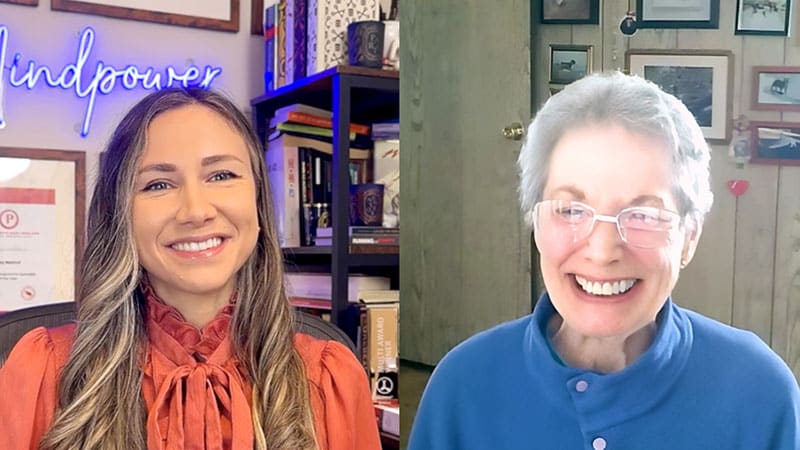
How Mary Anne DiNublia from California Lost 38 Pounds After Trying Every Diet
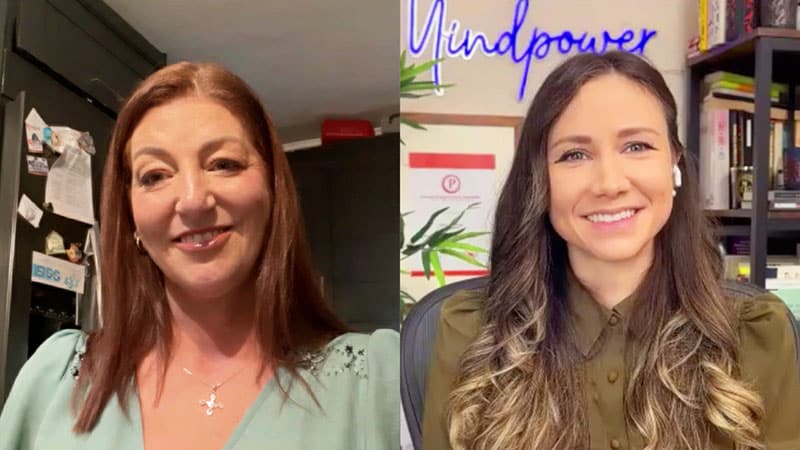
How Louise Mc Adam O’Reilly from Ireland Broke Her Lifelong Sugar Addiction & Reclaimed Her Health
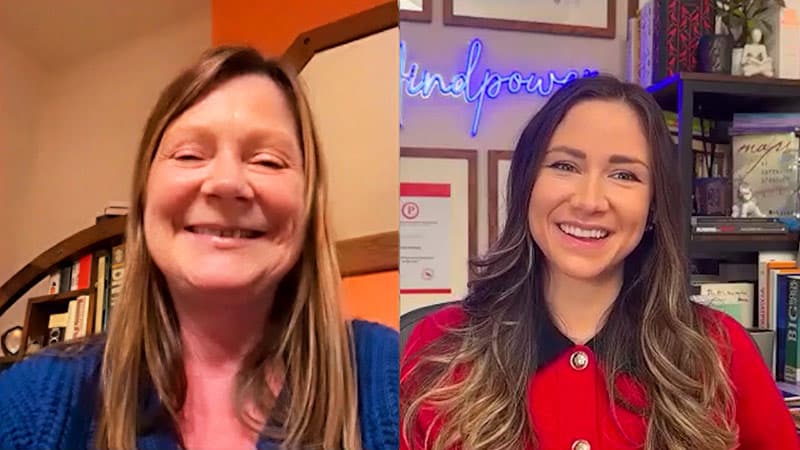
How Mal Collins from England Lost 1 Stone Without Willpower or Dieting & Achieved Food Freedom
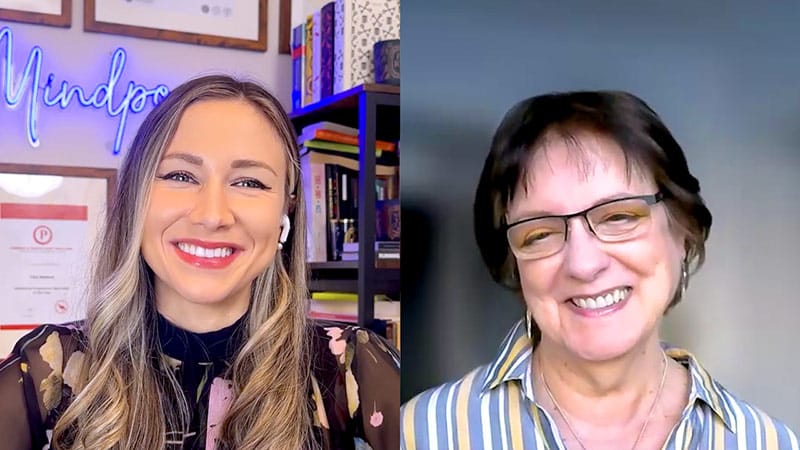
How Shelley Aven from Canada Lost 44 Pounds At 70 Years Old Without Dieting